
Welcome to the world of self-sufficient backyards, where you can create a beautiful and productive garden that provides for your needs. In this article, we will explore the concept of a self-sufficient backyard, its benefits, how to achieve it, frequently asked questions, and where you can purchase resources to help you on your journey.
Benefits of a Self Sufficient Backyard
Creating a self-sufficient backyard comes with numerous advantages:
- Reduces dependency on grocery stores
- Promotes sustainability and eco-friendliness
- Provides fresh and organic produce
- Increases self-reliance and resilience
- Encourages a healthier lifestyle through gardening and outdoor activities
Detailed Explanation of Self Sufficient Backyard
A self-sufficient backyard is a space where you grow your food, raise animals, and harness natural resources to meet your household’s needs. It involves sustainable practices like composting, rainwater harvesting, permaculture, and small-scale livestock rearing. By integrating various elements such as vegetable gardens, fruit trees, poultry, beehives, and renewable energy sources, you can create a self-sustaining ecosystem in your own backyard.
Key Components of a Self Sufficient Backyard
- Organic vegetable gardens
- Fruit trees and berry bushes
- Chicken coop for fresh eggs
- Compost bin for natural fertilizer
- Rainwater harvesting system
- Beehives for pollination and honey production
- Solar panels or wind turbines for renewable energy

5 FAQs About Self Sufficient Backyards
1. What is the best way to start a self-sufficient backyard?
To start a self-sufficient backyard, begin by assessing your space, researching suitable crops, and gradually implementing sustainable practices like composting and water conservation.
2. Do I need a large backyard to be self-sufficient?
You can practice self-sufficiency in any size backyard, from a small urban lot to a sprawling rural property. Focus on maximizing your space and resources efficiently.
3. Can I raise animals in a self-sufficient backyard?
Yes, you can raise small animals like chickens, ducks, rabbits, or bees in a self-sufficient backyard. They provide food, pollination, and natural pest control.
4. How can I maintain a self-sufficient backyard year-round?
By planning your crops according to the seasons, preserving excess produce through canning or freezing, and implementing cold frames or greenhouses, you can enjoy a year-round supply of fresh food.
5. Is it expensive to create a self-sufficient backyard?
While there may be initial costs involved in setting up infrastructure like raised beds or water systems, a self-sufficient backyard can save money in the long run by reducing grocery expenses and promoting self-reliance.
Where Can I Purchase Self Sufficient Backyard?
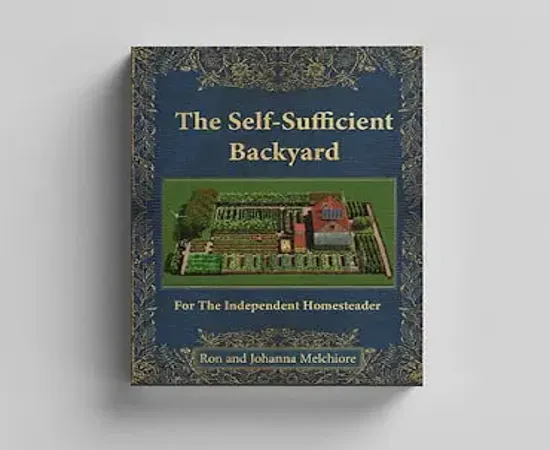
If you are interested in learning more about creating a self-sufficient backyard, you can purchase resources such as books, guides, and tools online or at local garden centers. One popular book on the subject is “The Self-Sufficient Backyard” by Ron and Johanna, available on platforms like Amazon.
Conclusion
Transforming your backyard into a self-sufficient oasis is a rewarding journey that offers a myriad of benefits for you and the environment. By embracing sustainable practices and fostering a connection with nature, you can enjoy fresh produce, reduce your ecological footprint, and enhance your overall well-being. Start small, experiment, and watch your self-sufficient backyard flourish into a thriving ecosystem of abundance.